Content Updated: April 22, 2026

Key takeaways:

  • Fleas are tiny, wingless parasites that feed on the blood of pets and humans and can quickly infest a home if not addressed.

  • Adult fleas are about 1/16 to 1/8 of an inch long, reddish-brown to dark brown, and equipped with strong hind legs for jumping.

  • Signs of fleas in a house include live fleas, flea dirt, eggs scattered in pet bedding, carpets, furniture, and changes in pet behavior, such as excessive scratching or hair loss.

  • Flea bites on humans appear as red, itchy bumps with a halo. They're typically often more irritating than mosquito bites, but reactions can vary depending on individual sensitivity and allergies.

Fleas are more than just a nuisance. These tiny, wingless parasites feed on blood and can cause intense itching, skin irritation, allergic reactions, tapeworms, and, in some cases, disease. Because they reproduce quickly, recognizing the signs of fleas in your house is key to preventing a small problem from becoming a widespread infestation.

Understanding how to tell if you have fleas can help you act quickly and protect your family, your pets, and your home. If you're already seeing these pests inside your home, our flea control services can help eliminate and prevent future infestations.

What does a flea look like?

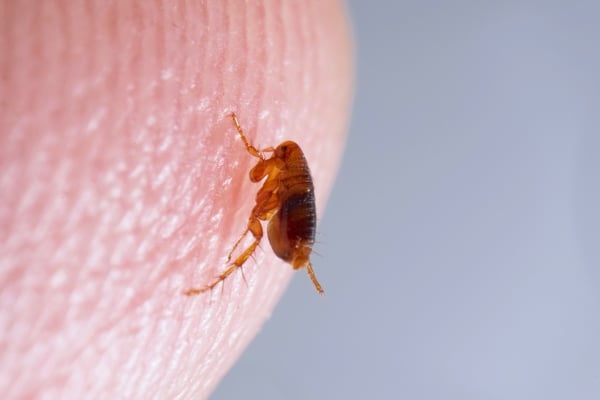
Fleas are wingless insects with reddish-brown to dark brown bodies. Adult fleas are about 1/16 to 1/8 of an inch long (roughly the size of a sesame seed). Their bodies are narrow and flattened from side to side, which allows them to move easily through pet fur, carpets, and upholstery.

Fleas cannot fly, but they can jump several inches vertically and even farther horizontally, which is how they move quickly between pets, people, and surfaces. Under a microscope, you can see that fleas have a hard exoskeleton covered in tiny bristles and spines that help them cling to fur. They also have tube-like mouthparts that pierce the skin and feed on blood.
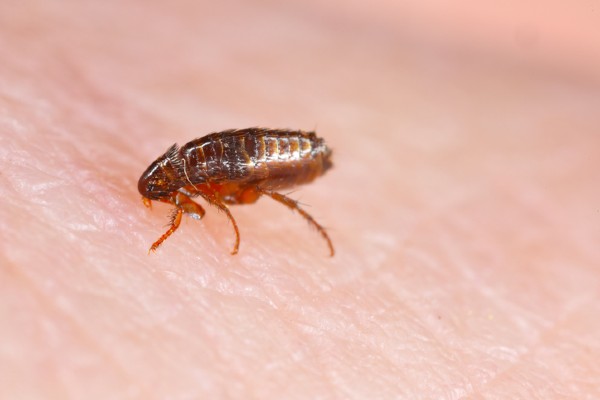
flea on skin

How to check you and your pet for fleas

If you're trying to understand how to tell if you have fleas, regular checks after certain activities are one of the smartest habits you can build. Fleas can spread easily in places where animals gather, so make it a routine to check for fleas after:

  • Visits to dog parks

  • Contact with stray animals or wildlife

  • Hiking or time spent in tall grass

  • Moving into a new home

  • If your pet has been scratching more than usual

  • After traveling

To check your pet for fleas, focus on areas where they prefer to hide. Check these spots closely and carefully:

  • Base of the tail

  • Lower back

  • Belly and groin

  • Neck and under the collar

  • Behind the ears

  • Under the legs (armpit area)

A flea comb is one of the most effective tools for checking animals. These fine-toothed combs trap live fleas and their fecal matter (flea dirt). Comb slowly from head to tail, wiping the comb onto a white paper towel after each pass.

dog scratching

Fleas don't live in human hair like lice, but they can bite exposed skin. Look for:

  • Small, red, itchy bites

  • Bites around ankles, lower legs, or waistline

  • Persistent itching without a clear cause

If you're noticing bites along with a scratching pet, that combination is often one of the early signs of fleas.

Signs of a flea infestation in your home

Detecting a flea infestation early can help prevent a larger problem later. If you notice any of the following signs of fleas in your house, you should contact Terminix for professional flea treatment.

flea in carpet fibers

Live Fleas

Fleas prefer warm, shaded areas where pets rest or spend time, including:

  • Pet bedding and crates

  • Carpets and area rugs (especially where pets nap)

  • Upholstered furniture

  • Cracks between hardwood floorboards

  • Baseboards and edges of rooms

  • Under couches or beds

  • Vehicle interiors (if pets ride in the car)

If you suspect live fleas are in your home, try the white sock test. Put on tall white socks and walk through carpeted areas. Fleas are attracted to heat and movement and can jump onto the fabric, appearing as small, dark, moving spots, making them easier to see.

Flea dirt

Flea dirt is essentially flea feces. It's dried, digested blood that fleas leave behind after feeding. It looks like tiny black or dark brown specks, similar to coarse ground pepper. You may find flea dirt:

  • On your pet's skin, especially around the neck, lower back, belly, and base of the tail

  • In pet bedding

  • On carpets and rugs

  • Along baseboards or in areas where pets rest frequently

To confirm if the specks are flea dirt, place them on a damp paper towel. If they dissolve into reddish-brown streaks, that's a strong indicator you're seeing digested blood, and a clear sign of fleas in your home.

flea eggs

Flea eggs

Flea eggs are extremely small, oval-shaped, and white or translucent. Many people mistake them for grains of salt or dandruff because they’re so tiny and pale. Flea eggs can easily fall off the host animal and scatter throughout your home, anywhere your pet spends time.

Common places to find eggs include:

  • Pet bedding: A primary hotspot, since adult fleas can lay eggs on pets while they rest

  • Carpets and rugs: Eggs fall into carpet fibers and can develop undisturbed

  • Upholstered furniture: Especially in seams, under cushions, or in fabric folds

  • Cracks and crevices: Along baseboards, between hardwood floorboards, and in small floor gaps

cat scratching neck

Changes in pet behavior

Because flea bites are irritating, pets may become restless and uncomfortable, or suddenly start grooming themselves much more than usual. Here are some of the most common signs of fleas on pets:

  • Excessive scratching, biting, or licking

  • Red, inflamed, or irritated skin

  • Tiny black specks in the fur (flea dirt)

  • Hair loss or thinning fur from constant scratching or chewing

Flea bites

If you are concerned about flea bites, you should seek medical advice. A flea bite on human skin can resemble a mosquito bite and typically forms a red bump with a halo. Those affected may experience immediate, intense itching, often more severe than mosquito bites. The severity of a reaction depends on the person, their sensitivity, and whether they are allergic.

Fleas vs. bed bugs vs. carpet beetles

Fleas, bed bugs, and carpet beetles are common household pests that can be easily confused because of their small size. While they can all be inside your home, each has distinct behaviors and appearances.

flea

Fleas

Tiny (about 1/16–⅛ inch long), reddish-brown, wingless, and very quick. They jump and are usually found on pets or in carpets.

bed bug visual

Bed bugs

Adults are around ¼ inch long and reddish-brown with flat, oval-shaped bodies. They are about the size of an apple seed. Bed bugs are slow movers that typically hide in mattress seams, bed frames, and cracks near sleeping areas.

carpet beetle

Carpet beetles

Small (1/16–⅛ inch long), rounded body shape with patterned black, white, or brown scales. They crawl slowly and can be found in carpets, clothing, and upholstered furniture.

What to do if you see these signs of fleas

If you spot signs of fleas, acting quickly can help control the problem before it gets worse. The following steps can also help prevent future infestations:

  • Treat your pets: Use veterinarian-recommended flea treatments, such as topical solutions, flea collars, or oral medications.

  • Wash pet bedding and linens: Wash your pet's bedding, blankets, and frequently used linens in hot water and dry on high heat to kill fleas, eggs, and larvae.

  • Vacuum thoroughly: Vacuum carpets, rugs, furniture, and areas where pets spend time, paying close attention to edges, seams, and crevices. Dispose of the vacuum bag or empty the canister outside.

While these actions can help reduce flea activity, contacting a professional for flea prevention and control can help ensure your home is protected.

Professional treatment for fleas

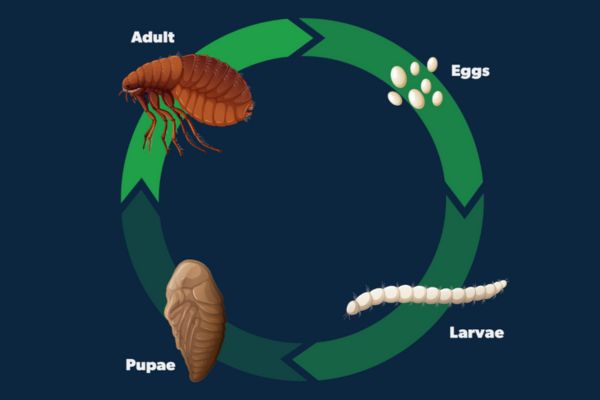
While DIY flea control treatments can help reduce the number of adult fleas, professional treatment is often needed to eliminate an infestation. Flea larvae and pupae can hide in carpet fibers, pet bedding, and baseboards, making it difficult for over-the-counter treatments to stop reproduction completely. Many DIY options target only adult fleas, allowing eggs and larvae to mature and continue the infestation.

Protect your home from fleas with Terminix's PestFree365+ plan! This year-round pest control plan helps shield your home and family from 39 common household pests, including fleas.Schedule your inspection today!