Home Garden
How to get rid of house sparrows and keep them away
Content Updated: October 28, 2026
Key takeaways
- Learning how to get rid of sparrows may require a combination of removal, exclusion, and prevention methods.
- Removing bird feeders, cleaning up spilled seed, and blocking potential entry points can help keep sparrows away.
- Properly identify the bird species before removing nests or eggs, as protections and removal requirements can vary by species.
- Professional bird control can help identify bird activity and recommend appropriate ways to manage and prevent birds from nesting or returning.
Jump to section:
Why are house sparrows a problem?
DIY methods to get rid of house sparrows
Learning how to get rid of sparrows can involve a combination of removal, prevention, and exclusion methods. Reducing access to food, water, nesting areas, and other attractants can also help you keep birds away from your property. If sparrows have become a persistent problem, Terminix bird control services can help identify what’s attracting birds to your property and recommend appropriate removal solutions.
Why are house sparrows a problem?
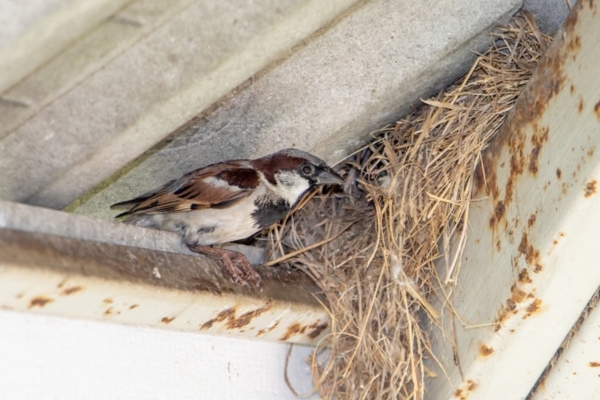
Around homes, house sparrows may build nests in vents, eaves, chimney caps, clay tile roofs, gutters, and other sheltered areas. Their nesting materials and droppings can create sanitation concerns and may contribute to property and roof damage if nests block or disturb components around your home.
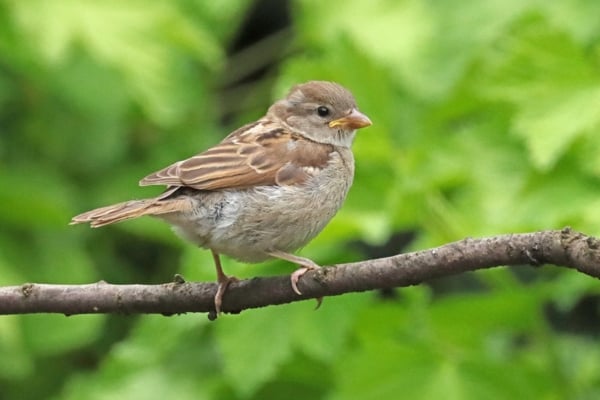
House sparrows are also non-native, invasive birds that can compete with native species for food, nesting sites, and other resources. They may harass or kill cavity-nesting birds and take over nesting areas, making it harder for some native birds to survive.
DIY methods to get rid of house sparrows
There are several steps homeowners can take to discourage house sparrows from nesting and spending time around their property. The following methods can help you keep sparrows away and reduce the conditions that may attract them.
Seal entry points
Exclusion is an important part of preventing house sparrows from entering your home and establishing nesting or roosting areas. Inspect the exterior of your property for openings and other access points, then take steps to block areas where sparrows may enter.
- Close openings: Seal gaps, holes, and other openings around your home's exterior that could let sparrows in.
- Screen vulnerable areas: Use screening or bird netting around eaves, vents, and other openings to help prevent sparrows from entering or nesting.
- Protect ledges: Install bird spikes or other ledge deterrents on surfaces where sparrows regularly roost. Cover the entire surface to help prevent birds from finding open areas to perch.
Remove nests and eggs
Before removing a nest or eggs, make sure the bird species has been properly identified and that removal is permitted where you live. Bird protection laws can vary by species and location, so hiring a professional is the safest option for identifying and removing nests and eggs.
Sound deterrents
Sound deterrents can help discourage sparrows from gathering around your property. Because sparrows can become accustomed to repeated sounds, changing the sounds or locations of the deterrents may help maintain their effectiveness. Sound deterrents work best when combined with other bird control methods.
Physical deterrents and traps
Physical deterrents can help make areas around your home less accessible to sparrows or less suitable for them to land, roost, or nest. Bird netting, spikes, and other products can be installed in areas where sparrows regularly gather or attempt to nest. Traps may also be used to capture and remove sparrows when appropriate.
Remove food sources
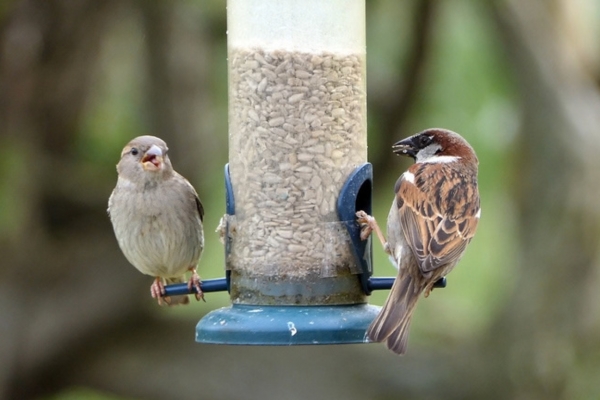
Bird feeders can attract house sparrows by providing an easy source of food. If you’re trying to keep sparrows away, consider removing feeders from your property or switching to feeder types and seeds that are less appealing to house sparrows.
- Remove bird feeders: Removing feeders can help reduce easily accessible food sources for house sparrows.
- Clean up spilled seed: Regularly sweep up seeds beneath feeders to prevent sparrows from feeding on the ground.
- Choose seed carefully: House sparrows commonly feed on millet and other inexpensive seed mixes. Consider avoiding these seeds if they are attracting large numbers of sparrows.
Get professional bird control
If you’re trying to figure out how to get rid of house sparrows, professional bird control is the best solution if birds have become a persistent problem around your home. Professional bird control can also help ensure the right methods are used based on the type of bird and where they’re nesting. Our trained professionals can help identify bird activity, potential entry points, and appropriate ways to manage and prevent birds from nesting or returning.