
What attracts cockroaches to your home?
Content Updated: June 4th, 2026
Key takeaways
- Cockroaches are attracted to three main sources: food, water, and shelter.
- Cockroaches are not picky and will eat almost anything, especially sugary or greasy foods, pet food, garbage, and even non-food items like cardboard or glue.
- Roaches are strongly attracted to moisture and are often found in kitchens, bathrooms, laundry rooms, and other damp areas, such as basements and crawl spaces.
- Cockroaches prefer dark, warm, undisturbed spaces and tend to hide in cracks, cabinets, cluttered storage areas, and behind or under appliances.
Jump to section:
Early signs of roaches in your home
Why do I suddenly have roaches in my house?
Why are there still roaches in my clean home?
There are over 65 species of cockroaches found across the United States, and these resilient pests are skilled at finding places that meet their basic needs. If you’ve spotted one scurrying across your kitchen floor at night, you may be wondering what attracts cockroaches to your home in the first place.
There isn’t just one answer to what attracts cockroaches. These pests are opportunistic and can be drawn to a variety of conditions inside and around your home. The three main things that attract cockroaches are food, water, and shelter.
Because homes can provide easy access to these essentials, cockroaches can quickly settle in if preventative steps aren’t taken. Understanding what attracts cockroaches can help you identify problem areas and reduce your risk of an infestation. If you suspect these pests have infested your home, our cockroach control services can help remove them and prevent future infestations.
Attractor #1: Food
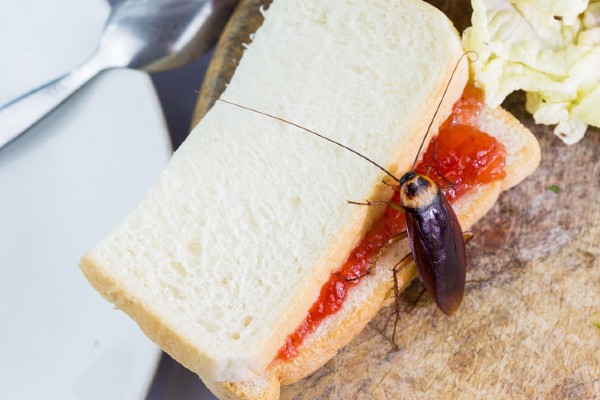
What do cockroaches like to eat? They aren’t picky eaters and will consume just about anything they can find, but they’re especially attracted to sugary foods, greasy leftovers, crumbs, pet food, and uncovered pantry items. Roaches may also feed on garbage, dirty dishes left in the sink, and even non-food items like cardboard, glue, or paper when food sources are limited.
Cockroaches don’t need much food to survive, and because they can survive on very little, even clean homes may still attract them. Roaches use their antennae to detect food sources and can pick up scents from surprisingly far away. Once they find a reliable food source, they may continue to return, and if conditions remain favorable, more cockroaches can follow.
How to remove food sources for roaches
Reducing access to food is one of the most effective ways to help prevent cockroaches, since even small crumbs or spills can attract them into your home.
ELIMATE
Store food properly, clean up crumbs and spills promptly, and avoid leaving food out on countertops overnight. Take out the trash regularly to help remove odors and food residue that may attract roaches.
CLEAN
Before bed each night, wipe down countertops, tables, and other food prep areas to remove crumbs, grease, and spills. Sweep or vacuum floors where food debris can collect. Regular deep cleaning is also important. Clean under and behind appliances, such as refrigerators and stoves, and check cabinets and drawers for any forgotten crumbs or food residue.
STORE
Proper food storage can help limit what attracts cockroaches to your home. Store pantry items in airtight containers and avoid leaving food exposed on counters. Pet food should also be kept in sealed containers or tightly closed bags and stored off the floor.
Attractor #2: Water
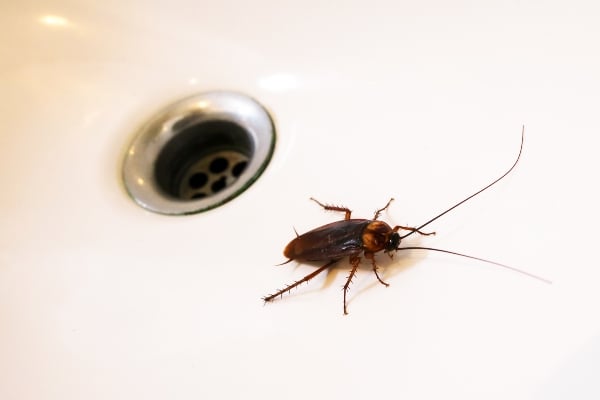
Water is another major factor in what attracts cockroaches. These pests need moisture to survive, which is why they’re commonly found in kitchens, bathrooms, and laundry rooms where leaky pipes, dripping faucets, and standing water may be present.
Hidden moisture can also attract roaches. Damp crawl spaces, basements, and excess condensation from HVAC components can create humid conditions that support cockroach activity.
How to limit roaches’ access to water
Inspect pipes and repair any leaks to reduce moisture and humidity. Use caulk to seal gaps around sinks and tubs to prevent moisture from getting into the walls. Avoid letting water sit in plant trays and other containers for extended periods.
Attractor #3: Shelter
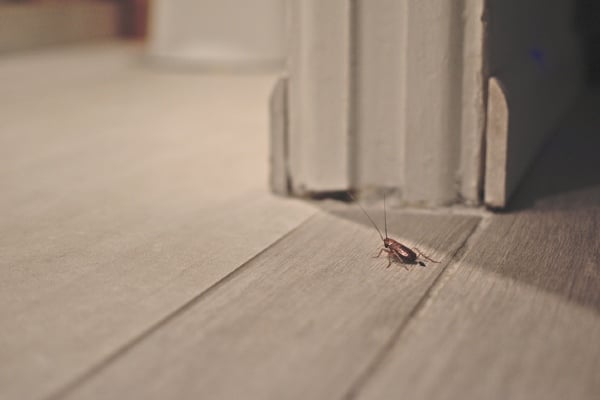
Cockroaches look for dark, warm, and undisturbed areas where they can hide during the day and come out at night. Inside the home, they commonly shelter in cracks and crevices, behind baseboards, in cabinets, and in cluttered storage areas such as basements and pantries. Cockroaches can also hide in, behind, or under appliances, including refrigerators, ovens, dishwashers, and microwaves.
How to prevent roaches from moving in
Use caulk to seal gaps and crevices where cockroaches may enter. Install weatherstripping on potential entry points, including doors and windows, to help block access and reduce hiding places. Since roaches prefer dark, undisturbed areas to reproduce, it’s also important to reduce clutter.
Early signs of roaches in your home
Signs of cockroaches in your home can include:
- Droppings that resemble black pepper or coffee grounds
- A musty, oily odor in enclosed areas where activity is present
- Egg casings (oothecae) behind appliances or in cracks and crevices
- Smear marks along walls or in corners
- Shed skins
If you’re seeing cockroaches during the day, this could mean the infestation is more established, since cockroaches are nocturnal.
Why do I suddenly have roaches in my house?
Sudden cockroach activity in your home is usually caused by changes that push them indoors. Seasonal shifts, especially cold or very wet weather, can drive roaches inside as they search for warmth, moisture, and food. Nearby construction or property disruption can also force them out of their normal nesting areas and into surrounding homes.
Roaches can also be introduced unintentionally. They can hitchhike inside through delivery boxes, grocery bags, used furniture, or appliances, hiding in small cracks and packaging. However, roaches are not attracted to light. These nocturnal pests prefer dark, hidden areas and are typically most active at night.
Why are there still roaches in my clean home?
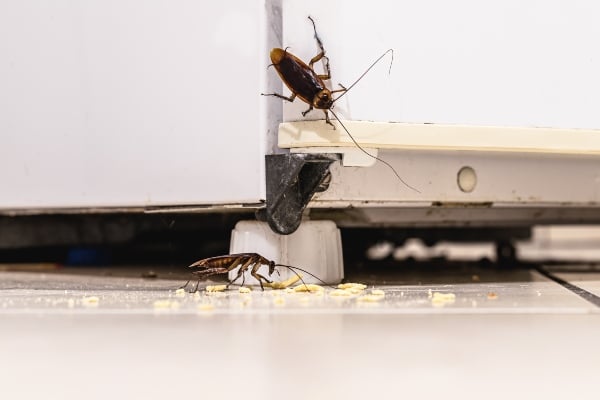
Even clean homes can have cockroaches because sanitation is only one piece of the puzzle. Roaches are highly adaptable and can survive on very small amounts of food, grease, or moisture that are easy to overlook. They also hide in hard-to-reach areas, so you may not see them even when they’re present.
If food sources are limited, moisture alone can sustain an infestation. Because cockroaches reproduce quickly and stay hidden during the day, a small issue can persist or grow without obvious signs.
If you’re seeing roaches in your home, schedule a free inspection with Terminix. Our cockroach control services can help identify what’s attracting these pests to your home, how they’re getting inside, and the best treatment method.