Squirrel repellent plants: What keeps squirrels away?
Content updated: October 7, 2026
Key takeaways
- Plants that can deter squirrels may help make gardens less appealing by using strong scents or unappealing tastes.
- Marigolds, nasturtiums, alliums, garlic, mint, daffodils, and other strongly scented plants can be placed around garden borders or near plants squirrels frequently target.
- Growing deterrent plants in pots can help protect patios, raised beds, and other areas while making it easier to move plants as squirrel activity changes.
- Squirrel-repellent plants work best when combined with physical barriers, motion-activated sprinklers, or other deterrents, rather than used as a standalone solution.
- No plant is guaranteed to keep squirrels away, so persistent activity or access to your home will require professional wildlife control.
Jump to section:
- What plants can help deter squirrels?
- What scents do squirrels hate?
- How to use squirrel repellent plants in your garden
- Get help from Terminix®
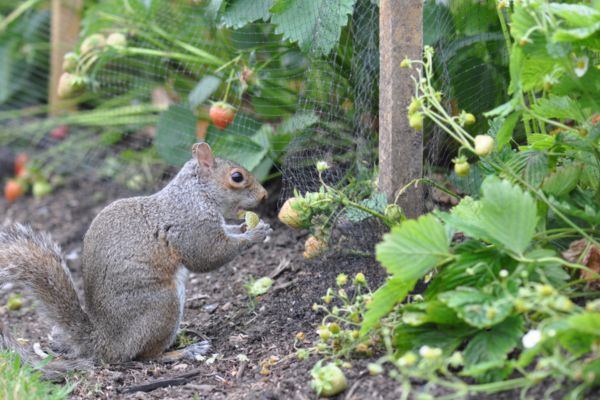
Squirrels can be a nuisance in yards, especially if you’re trying to grow a garden. These curious animals may dig up plants, snack on fruits and vegetables, and undo your hard work. While no plant is guaranteed to keep squirrels away, there are some plants that can help deter squirrels and make your yard less attractive to them.
If squirrels continue to cause problems or gain access to your home, Terminix wildlife control services can help identify the source of the problem and develop the best solution tailored to your property.
What plants can help deter squirrels?
Some gardeners use plants that can deter squirrels to make gardens less appealing to these persistent foragers. Flowers and herbs with strong scents or unpleasant tastes may discourage squirrels from digging and feeding, although no plant is guaranteed to keep them away. The following options are commonly used as natural squirrel deterrents:
- Daffodils: These toxic, bitter-tasting flowers have a strong scent that may help deter squirrels.
- Fritillaries: Members of the lily family, fritillaries have a distinctive odor that may discourage squirrels and other rodents.
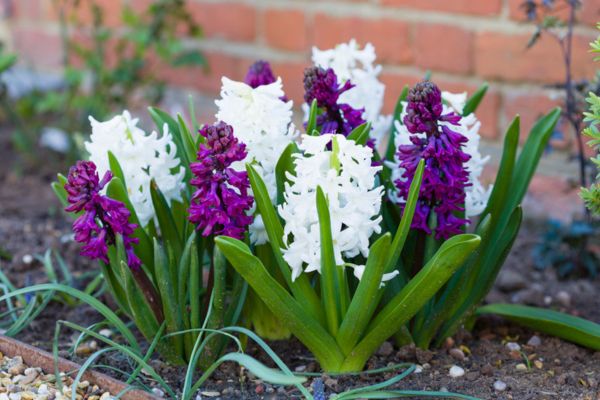
- Hyacinths: Their intense fragrance and bitter compounds may make them less appealing to squirrels.
- Lily-of-the-valley: This toxic, fragrant plant is typically avoided by squirrels.
- Geraniums: Their scent and taste may help discourage squirrels from feeding on nearby plants.
- Narcissus: Like daffodils, these toxic and aromatic bulbs may be unappealing to squirrels.
- Marigolds: Marigolds have a strong fragrance that may make areas of the garden less appealing to squirrels.
- Nasturtiums: Nasturtiums have a strong scent and peppery flavor that squirrels may find unappealing.
What scents do squirrels hate?
Some gardeners also use strong-smelling herbs, essential oils, or other scents to help make areas less attractive to squirrels. If you're wondering what scents do squirrels hate, commonly suggested options include:
- Alliums & garlic: Alliums, garlic, onions, and scallions produce pungent odors that squirrels may find unpleasant.
- Mint: The strong scent of mint and peppermint may discourage squirrels from lingering or foraging in treated areas.
- Capsaicin: Found in hot peppers such as cayenne, capsaicin creates an irritating sensation that squirrels generally avoid. It can be used in some garden repellents to discourage feeding.
- Cinnamon: Cinnamon's strong, spicy aroma may help discourage squirrels from entering or foraging in treated areas.
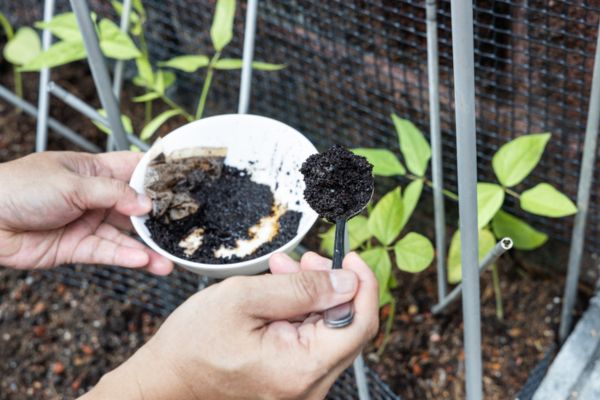
- Coffee grounds: Used coffee grounds have a strong smell that may help keep squirrels away from gardens and plants.
- Vinegar: The sharp smell of white or apple cider vinegar may temporarily deter squirrels, but the scent typically fades quickly outdoors.
- Predator scents: Scents associated with natural predators, such as fox or coyote, may make squirrels perceive an area as dangerous and encourage them to stay away. These deterrents tend to work best when reapplied regularly, as the scent can fade quickly.
However, scent-based deterrents can lose their effectiveness over time, especially outdoors, where rain and weather can wash them away. It’s important to remember that no plant or scent is completely squirrel-proof. Combining squirrel-repellent plants with other exclusion and prevention methods will yield better results.
How to use squirrel repellent plants in your garden
Strategically placing plants that can deter squirrels throughout your garden may help make areas less appealing to these persistent foragers. Where you plant them matters, especially when squirrels are targeting specific plants or entering your garden from nearby trees or other access points.
- Plant along garden borders: Place strongly scented plants around the edges of garden beds to create a scented barrier between squirrels and plants they may want to eat.
- Surround vulnerable plants: Mix deterrent plants throughout flower and vegetable beds, particularly around plants, bulbs, or fruits that squirrels frequently target.
- Focus on problem areas: Plant near spots where squirrels regularly dig, climb, or enter your garden. This puts the plants' scents where they're most likely to encounter them.
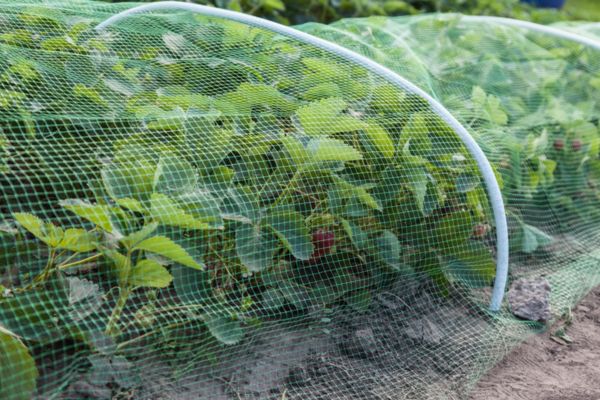
- Combine plants with other deterrents: Pair squirrel repellent plants with physical barriers such as mesh netting, chicken wire, and professional exclusion methods.
Get help from Terminix®
While plants that can deter squirrels may help make your yard less appealing, they are typically not enough to fully prevent or resolve an infestation. Terminix wildlife control experts can identify potential entry points and recommend humane, effective solutions to help protect your home from squirrels. Schedule your free wildlife inspection today to get started.