Content Updated: June 26th, 2026
Key takeaways
- While bees are important pollinators, hives near homes or high-traffic areas may require professional beehive removal to reduce the risk of stings and protect occupants.
- Knowing what type of bee you’re dealing with helps determine the safest bee nest removal approach, since behavior and nesting habits vary.
- Bee nests can be found in walls, attics, roofs, sheds, gardens, or even underground.
- Beekeepers or professionals can help safely relocate honey bee hives to protect declining bee populations.
- Sprays, traps, or sealing entry points can worsen the problem, making professional bee nest removal the safest and most reliable option.
Jump to section:
What to do if you see a swarm of bees near your home
Finding a bee nest or hive near your home can be concerning, especially for those with bee sting allergies. While bees are important pollinators, nests built too close to homes or high-traffic areas can pose risks and may require professional attention. Proper beehive removal should be handled carefully to help protect both your household and these beneficial insects whenever possible.
Terminix bee control services can help safely remove bee nests and hives from around your property. Our professionals understand how to remove a beehive when necessary and can recommend the safest solution based on the location and severity of the infestation.

Beehives vs. bee nests
Bee nests and beehives are similar but not exactly the same. A bee nest is typically a simpler structure built by solitary bees, where a single female lays eggs and raises the young. A beehive, on the other hand, is a larger communal structure built by social bees like honey bees to house an entire colony, including workers, drones, brood, and stored honey.
What to do if you see a swarm of bees near your home
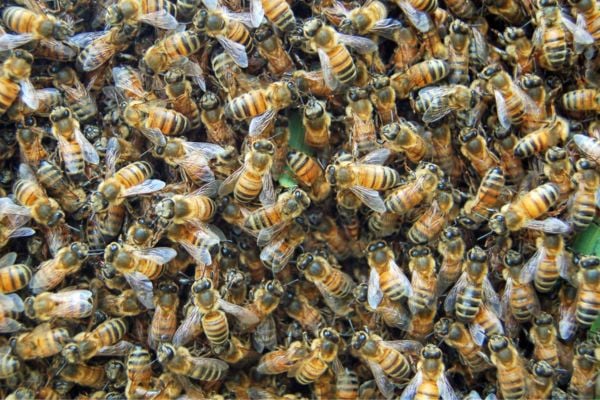
If you encounter a swarm, prioritize your safety by keeping your distance and avoiding any actions that could provoke them. Most bees will only sting if they feel their hive or queen is threatened. Swarms typically cluster on branches, bushes, or posts, so steering clear of these areas can help minimize the risk of stings.
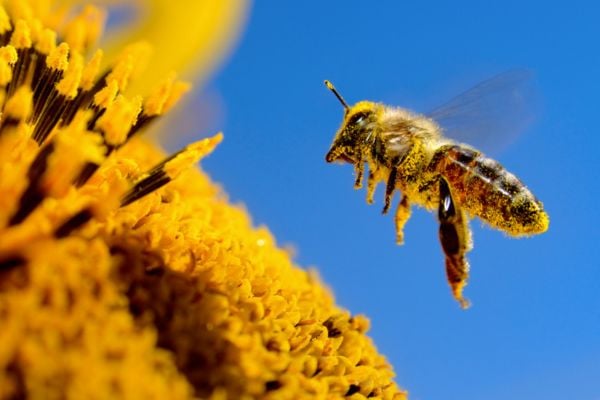
If you see a swarm of bees near your home, it’s important to remember that bees, especially honey bees, are beneficial pollinators. They’re essential for the growth of many fruits and vegetables across the United States. The U.S. Environmental Protection Agency (EPA) and other organizations advocate against killing bees due to their declining numbers.
How to get rid of a beehive
Bees are valuable pollinators that play a critical role in the environment. When considering beehive removal, the goal should be to protect your household while minimizing harm to the bees whenever possible. For safe and effective bee hive removal, follow these six steps.

1. Identify the type of bee
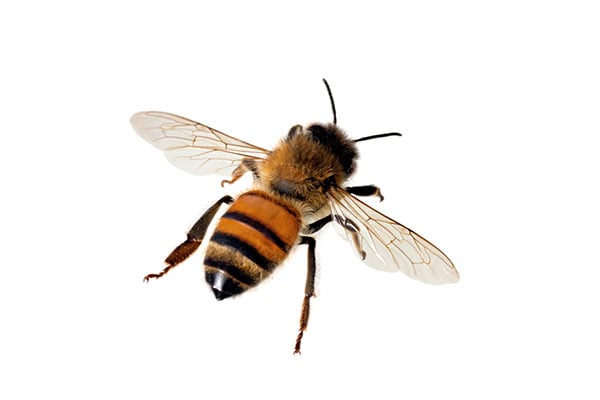
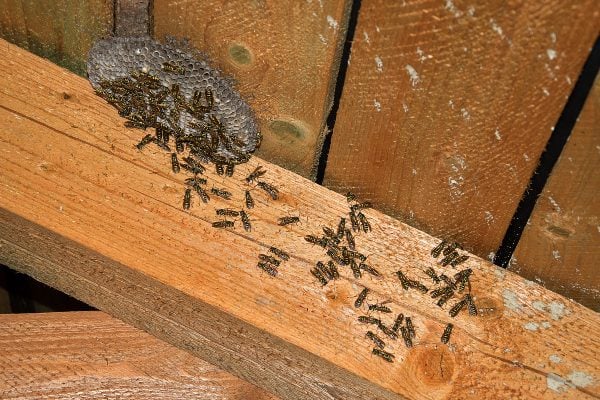
Identifying the type of bee or stinging insect is an important first step in bee nest removal. Honey bees are generally less aggressive and can typically be relocated humanely, while bumblebees may nest in tight or underground spaces. Wasps, which are commonly mistaken for bees, tend to be more aggressive and can sting multiple times, requiring additional caution during removal.

2. Find where the bees are coming from
Identifying the nest and locating where the bees are coming from helps reduce the risk of stings while also protecting beneficial bee populations. Bee nests may be found in wall voids, attics, roof eaves, hollow trees, sheds, gardens, or under patios.
Some species, especially bumblebees, can also build nests underground in abandoned rodent burrows or beneath shrubs. Underground nests can be difficult to identify, but our experts know how to remove a bee's nest in the ground.
3. Contact your local beekeeper
Bees play an important role in the ecosystem, so protecting them whenever possible is encouraged. If the bees around your home are honey bees, a local beekeeper may be able to safely relocate the hive or swarm. You can check with the American Beekeeping Federation to find local beekeeping resources.
For other bee species, difficult-to-access nests, or large indoor hives, professional bee nest removal is the safest option.
4. Call a professional pest control service for bee nest removal
Terminix experts can assess the situation and recommend the safest approach for beehive removal around your home while helping to protect these important pollinators whenever possible. This may include recommendations to contact a professional beekeeper.
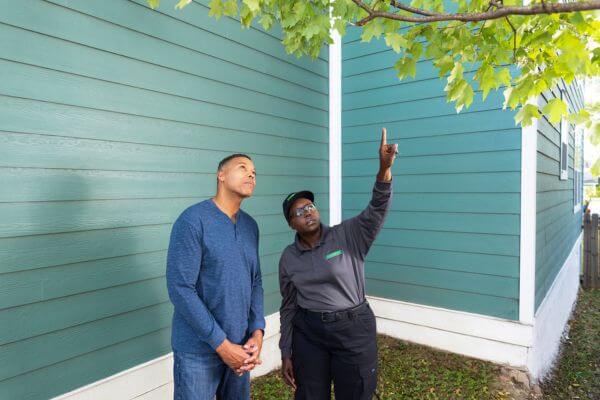
Professional bee nest removal helps reduce the risks associated with DIY treatment, especially when nests are located inside walls, attics, rooflines, or other hard-to-reach areas. Our professionals have the proper protective equipment and tools to safely access and remove the hive, leftover honeycomb, and nesting material.
The cost of professional bee removal can vary depending on several factors, including the size of the colony, the type of bee, the hive’s location, and whether structural access or repairs are needed after removal.
5. Avoid DIY beehive removal
It can be tempting to spray a hive or try to trap the bees, but DIY bee removal creates more risk than it solves. Many commonly sold insecticides are banned for use near bees by the EPA, and traps can leave you with an incomplete removal, while the remaining colony becomes more defensive.
Disturbing a nest without proper training or equipment can also trigger aggressive behavior and stings. For safe and effective bee nest removal, it’s best to avoid the area and contact Terminix to handle the situation properly.
6. Prevent future beehives
To help prevent future beehives around your home, it’s important to remove attractants and seal potential entry points:
- Remove leftover honeycomb and residue: Old hive material can attract rodents, ants, and other pests if it’s not fully removed.
- Repair and seal entry points: Close gaps in walls, soffits, vents, chimneys, and siding where bees may enter or nest.
- Fix structural damage quickly: Promptly repair areas where bees previously nested to prevent re-infestation.
- Inspect attics, walls, and cavities regularly: Early detection can help prevent a small colony from becoming a larger infestation.
Following these steps can help reduce the risk of future infestations and protect your home from structural damage and secondary pest activity. If you need help with bee nest removal, Terminix bee control services are here to help.